
The rectum is the last part of the colon that connects the large intestine to the anus, and its main function is to store the stool to be expelled from the body. The rectum is approximately the last 12-15 cm of the large intestine. It starts in the last part of the colon and ends when it reaches the short and narrow passage that reaches the anus. It consists of 3 layers. The mucous part, which consists of glands that secrete mucus to facilitate the passage of stool, covers the inner surface of the rectum. The layer called muscularis propria, which forms the middle layer of the rectum wall, consists of muscles that provide contraction. The last part of the rectum is the fat layer. Apart from these three sections that make up the rectum, lymph nodes surround the rectum.
What is Rectal Cancer?
Rectal cancer is usually caused by polyps in the lining of the rectum. Cancer of the rectum and colon is often defined as “Colorectal cancer”.
Let's Call You
What Are the Symptoms of Rectal Cancer?
Symptoms of rectal cancer can manifest in different ways. However, many rectal cancers are detected in routine screening without symptoms. Rectal cancer symptoms generally include:
- Bleeding in the rectum or blood in the stool is one of the most common symptoms of rectal cancer. Almost 8 out of 10 patients experience signs of bleeding.
- mucus in stool
- Changes in bowel movements such as constipation, diarrhea, and excessive gas can be the first sign of rectal cancer.
- In addition to the change in bowel movements, the feeling that the bowel is empty or the inability to defecate adequately despite frequent toilet visits are among the symptoms of rectal cancer.
- painful bowel movements
- Unnoticed bleeding in the stool can lead to anemia. Shortness of breath, dizziness, rapid heartbeat due to anemia should be taken seriously in terms of rectal cancer symptoms.
- Intestinal obstruction may occur as a result of the tumor growing and closing the exit path. Intestinal obstruction can cause severe pain and cramps in the abdomen.
- The growth of the tumor can cause changes in stool size. Pen-thin stool can be a sign of rectal cancer.
- Unexplained weight loss that is not due to diet or exercise is among the first signs of rectal cancer.
What Causes Rectal Cancer?
The exact cause of rectal cancer is not known, but there are many risk factors that lead to rectal cancer.
- The majority of rectal cancers occur in advanced age.
- Alcohol and cigarette consumption increase the risk of rectal cancer.
- High-fat diet of animal origin may be the cause of rectal cancer.
- A history of colorectal cancer or polyps can cause rectal cancer.
- Chronic inflammatory diseases of the colon and rectum, such as ulcerative colitis and Crohn’s disease, increase the risk of rectal cancer.
- Genetic syndromes such as hereditary nonpolyposis colorectal cancer (Lynch) and familial adenomatous polyposis (FAP) are among the causes of rectal cancer.
- A sedentary lifestyle and obesity
- Receiving radiotherapy for cancer treatment, especially to the abdomen, can cause rectum and colon cancer.
- Diabetes
- Colon and rectal cancer in the family, especially in first-degree relatives, is an important cause of rectal cancer.
How Is Rectal Cancer Diagnosed?
- Routine screening programs should be applied to detect rectal cancer early. Starting routine screening at the age of 50 in individuals without risk factors is vital for early detection of rectal cancer. In those with risk factors, the onset of screening age may be earlier. Rectal cancer is usually diagnosed during check-ups after rectal bleeding or iron deficiency.
- Colonoscopy is the most commonly used method in screening programs and diagnosis. During colonoscopy, small tissue samples can be removed from suspicious-looking areas. Laboratory analysis of tissue samples removed for biopsy helps diagnose rectal cancer.
Treatment of Rectal Cancer
Treatment planning is made after the stages and grade of rectal cancer are determined. Planning in the treatment of rectal cancer is based on the stage and grade of the cancer, the location of the tumor in the rectum, its size, the patient’s age and general health.
Rectal Cancer Chemotherapy and Radiotherapy Treatment
Rectal cancer chemotherapy treatment is usually performed with two or more drugs that target cancer cells. In rectal cancer, chemotherapy and radiotherapy can be used before the operation as well as after it. While surgery may be the only necessary step in the treatment of stage 1 rectal cancer, the risk of recurrence after surgery is low in stage 1 rectal cancer, so chemotherapy is generally not recommended. In the 2nd and 3rd stages of rectal cancer, chemotherapy and radiotherapy are treated after the surgery in order to prevent the cancer from recurring. In patients with rectal cancer in stage 2 and stage 3, chemotherapy and radiotherapy treatment to shrink the tumor can be performed before the operation.
Rectal Cancer Surgery
Surgery is one of the most commonly used methods in the treatment of rectal cancer. Planning in rectal cancer surgery is done according to the location and size of the tumor.
Rectal cancer surgery can be classified in two groups as breech-preserving rectum surgery and rectal surgery requiring breech loss.
In rectal cancer surgery;
- end colostomy
- coloanal anastomosis
- Low anterior resection
- Local excision – Local or Transanal Excision – Transanal Endoscopic Microsurgery
- Intraoperative radiation therapy (IORT).
- Abdominoperineal Excision (APR) – Extra-Levator Abdominoperineal Excision
- polypectomy
- Radiofrequency ablation
- cryosurgery
Surgical techniques such as minimally invasive surgery can be used
Rectal Cancer Stages
The degree of rectal cancer and the stage of rectal cancer are important for the treatment to be applied. Knowing the extent of rectal cancer can give an idea about how fast the cancer can grow and the likelihood of metastasis.
In low-grade rectal cancer, the cells are abnormal but look like normal cells. Low-grade rectal cancer tends to grow slowly and is less likely to metastasize. High-grade rectal cancer also has more undifferentiated cancer cells. These cells tend to grow rapidly in high-grade rectal cancer and are also more likely to metastasize than low-grade cancers.
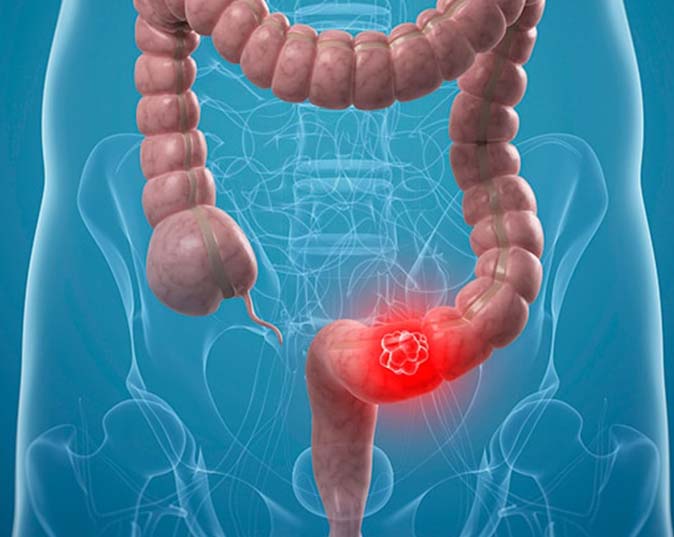
Staging is important for planning rectal cancer treatment. While staging of rectal cancer;
- How deep the tumor is in the wall of the rectum
- Whether there is cancer in the lymph.
- Whether rectal cancer has metastasized to other organs such as the lung or liver.
Rectal cancer stages are evaluated in 5 groups.
- Rectal Cancer Stage 0: Cancer cells are only found in the inner lining of the colon or rectum, called the mucosa. Cancer cells have not penetrated the muscle layer of the mucosa.
- Rectal Cancer Stage 1: The tumor has spread to the connective tissue layer surrounding the mucosa or the thick outer muscle layer of the rectum.
- Rectum Cancer Stage 2: Rectal cancer stage 2 is handled in three stages.
- Rectal Cancer 2 Stage- A; The cancer has reached the outermost layer of the rectum wall and has not spread to the surrounding organs. There is no metastasis to lymph and distant organs.
- Rectal Cancer 2 Stage- B: The cancer has invaded all layers of the rectum wall but has not spread to surrounding organs or tissues. There is no lymph or metastasis to distant organs.
- Rectal Cancer 2 Stage- C; The cancer has extended beyond the rectal wall. It has grown into nearby organs or tissues. There is no metastasis in lymph and distant organs.
- Rectal Cancer Stage 3: The cancer has spread to nearby lymph nodes. Rectal cancer stage 3 is divided into 3 parts, depending on where the tumor has grown and how many lymph nodes it has spread.
- Rectal Cancer Stage 4: Rectal cancer stage 4 metastases to organs such as the liver or lungs. Cancer may be in only 1 organ or distant lymph nodes. It is handled in 3 stages.
- Rectal Cancer Stage 4-A: The cancer has spread to an area or organ not close to the rectum, such as the liver, lung, ovary, or a distant lymph.
- Rectal Cancer Stage 4-B: The cancer has spread to more than one area or organ not close to the rectum, such as the liver, lung, ovary, or a distant lymph node.
- Rectal Cancer Stage 4-C: The cancer may have spread to the tissue lining the abdominal wall and may have spread to other areas or organs.
Rectal Cancer Nutrition
Eating a balanced diet before, during or after treatment for rectal cancer can help the person feel good and speed up the healing process.
Get your weight control. Treatments such as chemotherapy, radiotherapy, and surgery for rectal cancer can often lead to unwanted weight loss. Excessive weight loss should be avoided during treatment, as poor and unbalanced diet may reduce the body’s ability to fight infection.
Eat small, frequent meals throughout the day. Eating frequent small meals will also help reduce treatment-related side effects such as nausea, which will allow your body to absorb enough calories, protein and nutrients to tolerate the treatment.
Choose foods rich in protein. Protein helps the body repair cells and tissues, as well as helps the immune system recover from disease. Include a lean protein source at all meals and snacks. Good sources of lean protein include:
- Lean meat such as chicken, fish, or turkey
- Eggs
- Low-fat milk or dairy products, such as milk, yogurt, and cheese
- Nuts
- beans
- soy foods
- Include whole grain foods in your diet. Whole grain foods provide a good source of carbohydrates and fiber, which helps keep your energy levels high.
- Good sources of whole grain foods include:
- Rolled oats
- Whole wheat breads
- brown rice
- Whole grain pastas
- Eat a variety of fruits and vegetables every day. Fruits and vegetables offer antioxidants to the body, which can help fight cancer. Choose a variety of colorful fruits and vegetables to get the most benefits.
- Choose healthy sources of fat. Avoid fried, greasy and oily foods
- Limit sweets.
- Don’t forget to drink water. Drinking enough fluids during cancer treatment is important to prevent dehydration.
- Pay attention to changes in bowel habits. Colorectal cancer and its treatments can often cause changes in bowel habits such as diarrhea, constipation, bloating and gas. Share any changes in your bowel habits with your doctor.
- Talk to your healthcare team before taking any vitamins or supplements.
Frequently asked Questions
Rectum and colon cancer does not have a definite age of incidence, but rectal cancer usually occurs after the age of 35. The vast majority of patients are older than 50 years of age.
When one or more of the symptoms of rectum and colon cancer are seen, it is necessary to apply to the doctors of the Gastroenterology or General Surgery department without wasting time. Since surgical methods come to the fore in the treatment of rectum and colon cancer, a specialist doctor should be preferred. Since the treatment of colorectal cancer requires a multidisciplinary approach, hospitals with sufficient medical infrastructure should be selected.
There is no person-to-person transmission in rectal cancer. There is no evidence that cancer is transmitted by breathing, air, contact, or sexually. But rectum and colon cancer carry genetic features. People with a family history of rectum and colon cancer are more likely to develop colorectal cancer.
The symptoms and causes of rectal and colon cancer are very similar. However, although rectum and colon cancers are similar in many ways, their treatments differ. The main reason for this is that the rectum sits in a narrow area that is difficult to separate from other organs and structures in the pelvic cavity.
There is no relationship between rectal cancer and hemorrhoids, but bleeding and pain in the anus region are also seen in hemorrhoid disease as in rectal cancer. Many people with colon and rectal cancer also have hemorrhoids. Patients may delay in applying to a doctor by attributing their distress to hemorrhoids. With the onset of symptoms, a specialist should be consulted without losing time in terms of early diagnosis.


